
Table of Contents
- How Long Do Custom Wooden Plaques Actually Last?
- What Makes a Wooden Plaque Durable? 7 Factors That Decide
- The Best Wood for Outdoor Plaques (and What to Avoid)
- Engraved vs Printed Wooden Plaques: Which Lasts Longer?
- Custom Wooden Plaque Care Tips for Indoor and Outdoor Displays
- Repairing and Restoring a Weathered Wooden Plaque
- Verdict: How Durable Are IL-ĦSIEB KOLLOX Wooden Plaques?
- Frequently Asked Questions
Last Updated: September 16, 2026
How Long Do Custom Wooden Plaques Actually Last?
Are custom wooden plaques durable? Yes, when the right wood and finish are matched to where the plaque will hang. A varnished pine plaque kept indoors can stay presentable for many years, while the same plaque on an exposed outdoor wall will weather far sooner. This guide from IL-ĦSIEB KOLLOX explains what decides that lifespan.
Wood is an organic material, so it responds to moisture, sunlight and temperature in ways metal and acrylic do not. That is not a weakness: it is why a solid wood plaque develops character over time.
What Makes a Wooden Plaque Durable? 7 Factors That Decide
Durability in a wooden plaque comes down to seven interacting factors, and the weakest one sets the ceiling for the whole piece. A dense hardwood with a poor sealant will fail sooner than a modest softwood with a proper exterior-grade finish.

- Wood species and grain density - denser grain resists moisture penetration and warping
- Moisture content at the time of finishing - wood that was not properly dried will move and crack
- Finish and sealant quality - the coating is the plaque's first line of defence
- UV exposure - direct sun breaks down lignin and bleaches the surface
- Humidity and temperature swings - repeated expansion and contraction stresses joints
- Mounting and airflow - trapped moisture behind a plaque accelerates rot
- Handling and cleaning habits - abrasive cloths and harsh cleaners strip protection
The Science of Wood Rot and UV Degradation
Wood is a composite of cellulose (the structural skeleton), hemicellulose (the flexible matrix) and lignin (the rigid, water-resistant binder). Decay is not a single event but a sequence of chemical and biological attacks.
- Polyurethane is a film-forming finish that sits on top of the wood. It is tough and water-resistant, but it can become brittle with age and may crack under repeated expansion and contraction. Once cracked, water gets underneath and the film can peel.
- Spar urethane is a modified polyurethane with added UV inhibitors and a more flexible resin. It is designed for exterior use and moves with the wood, making it a better choice for plaques that face direct sun or wide temperature swings. It still needs recoating, but it tends to fail more gracefully.
Wood Species and Grain Density
Hardwoods such as teak, oak and mahogany have denser grain than softwoods, making them naturally more resistant to moisture ingress and dimensional movement. Pine has a more open grain and depends more heavily on its finish for protection.
Finish, Sealant and UV Protection
The finish is what most people underestimate. A protective sealant blocks liquid water from soaking into the grain and slows the ultraviolet light that breaks down wood's natural structure.
The Best Wood for Outdoor Plaques (and What to Avoid)
The best wood for outdoor plaques is a naturally rot-resistant hardwood such as teak, iroko or oak, finished with an exterior-grade sealant. These species tolerate rain, humidity and temperature swings far better than softwoods.
| Wood Type | Grain Density | Outdoor Suitability | Best For |
|---|---|---|---|
| Teak | High | Excellent | Exposed outdoor plaques |
| Oak | High | Very good | Sheltered exterior and indoor |
| Mahogany | High | Very good | Indoor statement pieces |
| Pine (varnished) | Medium | Fair, sheltered only | Indoor and covered displays |
| Untreated softwood | Low | Poor | Not recommended for exterior use |
Engraved vs Printed Wooden Plaques: Which Lasts Longer?
Engraved wooden plaques outlast printed ones in almost every real-world condition. Engraving cuts into the wood itself, so the design cannot peel, flake or fade the way a surface print can.
Custom Wooden Plaque Care Tips for Indoor and Outdoor Displays
Custom wooden plaque care tips come down to three habits: dust gently, control moisture, and refresh the finish before it fails. Together they add years to a piece.

- Dust indoor plaques monthly with a soft cloth
- Keep indoor pieces out of constant direct sunlight
- Check outdoor plaques for water beading every six months
- Recoat exterior finishes when beading stops
- Clear any leaves or debris trapped behind the plaque
Repairing and Restoring a Weathered Wooden Plaque
Most weathered plaques can be restored rather than replaced, provided the rot has not reached the core of the board. Surface greying, dull finish and minor edge lift are all reversible. This guide walks through the process step by step.
Step 1: Assess the Damage
Before you touch anything, press a fingernail into the surface in a few spots. If the wood feels soft, spongy or crumbly, the rot has gone too deep and replacement is the honest answer. If the wood is still firm and the damage is limited to a grey, faded surface or a peeling finish, restoration is viable.
Look for these signs:
- Surface greying - UV damage to lignin; reversible by sanding
- Dull or chalky finish - the sealant has broken down; needs removal and recoating
- Minor cracks or checks - small splits from moisture movement; can be filled
- Edge lift or peeling - the film finish has failed; sand back to bare wood
- Soft spots or crumbling - rot has penetrated; replacement is the safer choice
Step 2: Remove and Clean
Take the plaque down and remove any mounting hardware. Clean it with mild soapy water and a soft brush. For mould or algae, a diluted vinegar solution (one part white vinegar to three parts water) helps, but avoid bleach-based cleaners, which damage wood fibres. Rinse with clean water and let the plaque dry completely indoors, out of direct sun; trapped moisture will undermine everything that follows.
Step 3: Sand Back to Fresh Wood
Once dry, sand the greyed surface back to fresh wood. Start with around 120-grit and work with the grain, not across it. For deeper greyness, start with 80-grit, taking care not to dish the surface. Finish with 180 or 220-grit, then wipe away all dust with a tack cloth.
Step 4: Reseal with an Exterior-Grade Finish
The final step is the one people skip. Apply an exterior-grade finish, preferably a flexible spar urethane or a dedicated exterior wood varnish with UV inhibitors. Apply two or three thin coats rather than one thick one: thin coats dry more evenly, bond better and are less likely to trap solvents. Lightly sand between coats and wipe away dust before the next.
When to Replace Instead of Repair
Restoration is not always the right call. If the wood is soft when pressed, if deep cracks run through the board, or if the plaque has delaminated, replacement is the more durable and often more economical choice. A restored plaque that fails again within a year is a false economy.
Verdict: How Durable Are IL-ĦSIEB KOLLOX Wooden Plaques?
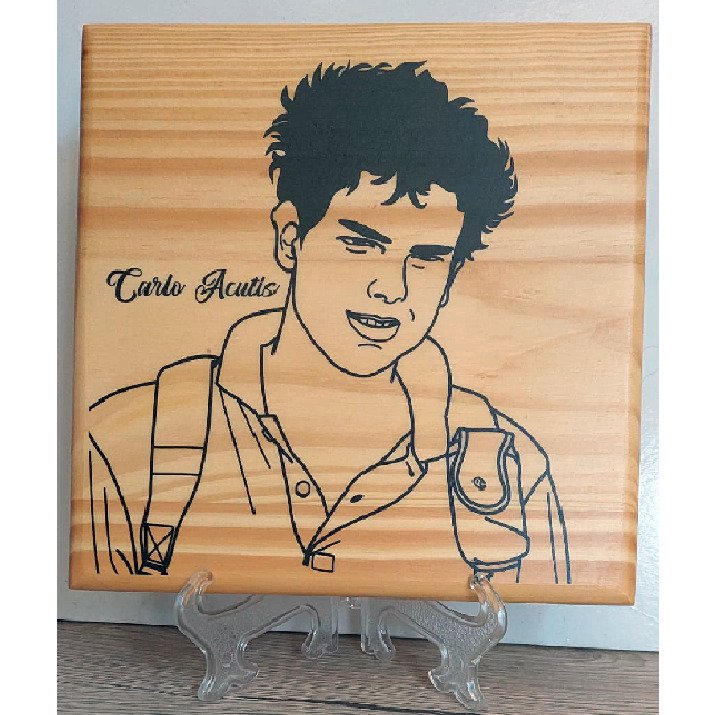
IL-ĦSIEB KOLLOX wooden plaques are built for lasting display, with the pine used across the range varnished to protect the grain and the engraved detail cut into the wood itself. The varnished pine construction suits indoor and sheltered placements, which is where most personalised keepsakes live.
Frequently Asked Questions
How long do custom wooden plaques typically last?
Indoors, a varnished pine plaque kept away from direct sunlight and damp can stay in good condition for many years. Outdoors, lifespan depends on wood species, finish and climate: a weather-treated hardwood plaque may hold up for several years before needing refinishing, while untreated softwood can show warping, greying or surface mould within a single wet season. The finish matters as much as the timber.
Are engraved wooden plaques more durable than printed ones?
Yes, in most cases. Laser-engraved or carved lettering cuts into the wood itself, so the design cannot peel, flake or rub off the way a printed surface layer can. Printed plaques rely on ink or a vinyl overlay bonding to the surface, which is more vulnerable to UV fading, moisture lifting the edges, and scratches. If longevity is your priority, choose engraved or carved detailing.
What is the best wood for outdoor plaques?
Rot-resistant hardwoods such as teak, iroko, oak and cedar handle outdoor conditions best because their grain density and natural oils slow moisture absorption. If you choose pine, which is softer and more absorbent, it needs a weather-treated, exterior-grade varnish and regular re-coating. Whatever the species, an outdoor-rated protective sealant and UV protection make the biggest difference to how long the plaque survives.
How do I protect my custom wooden plaque from environmental damage?
Keep indoor plaques out of direct sunlight and away from radiators or damp walls. For outdoor plaques, apply an exterior-grade varnish or protective sealant and re-coat it every year or two. Clean with a soft, slightly damp cloth rather than soaking the wood, and avoid abrasive cleaners. A plaque mounted under an overhang or porch will last noticeably longer than one fully exposed to rain and harsh sun.
What are the signs that a wooden plaque is losing its durability?
Watch for surface greying, fine cracks along the grain, warping or bowing, raised or lifting edges on printed designs, and soft or spongy patches that signal rot. A dull, chalky finish usually means the varnish has worn away and the wood is now exposed. Catching these signs early lets you sand, re-seal and refinish before the damage reaches the core of the timber.